Meet Dr. Roy Martina
Roy Martina is a world-renowned holistic medical doctor specialising in health coaching and personal development with more than 30 years of experience working with 'incurable cases' and researching the best way to help people cure themselves. He is a trainer, speaker, developer of a range of comprehensive therapies, and a bestselling author with more than 40 self-help books, CDs and DVDs, including his international bestselling book Emotional Balance: the Path to Inner Peace and Harmony. All of his books are published in Dutch, with many translated into English, Italian, German, Spanish, Russian and Chinese. He has worked with many celebrities and coached world-class athletes. Roy Martina's mission is to help as many people as possible by providing them with practical tools for self-healing and personal development and the knowledge of how to enhance the quality of their lives.
Doctor Roy Martina was the one who gave The Curcumin Drops its nickname THE WORLD CHANGER WITHIN THE HEALTH CARE INDUSTRY.

WHAT WE RECOMMEND
Understand Your Cholesterol
Learn how LDL, HDL, and triglycerides work together, why balance matters, and how small lifestyle shifts can support healthier numbers over time.
Calm Chronic Inflammation
Discover how stress, sleep, movement, and food choices can either fuel or soothe low‑grade inflammation throughout your body.
Build Heart‑Smart Habits
Focus on simple, sustainable routines—like fiber‑rich meals, daily walks, and mindful breaks—that fit naturally into busy modern life.
Cholesterol and Inflammation: Understanding the Connection
For many years, cholesterol has been discussed mainly as something that should be lowered. In reality, the relationship between cholesterol, inflammation and cardiovascular health is more complex.
Cholesterol is a natural substance that the body needs to function properly. It contributes to the formation of cell membranes, vitamin D and important hormones, including estrogen, testosterone and cortisol.
However, this does not mean that all cholesterol levels are harmless. Persistently elevated LDL cholesterol can contribute to the development of plaque inside the arteries and increase the risk of cardiovascular disease.

Cholesterol Is Essential — but Balance Matters
The body produces the cholesterol it needs, primarily in the liver. Cholesterol is transported through the bloodstream by particles known as lipoproteins.
LDL is often referred to as "bad cholesterol" because high levels can promote the accumulation of cholesterol within artery walls. HDL helps transport cholesterol back toward the liver.
The goal should therefore not be to eliminate cholesterol, but to maintain healthy lipid levels based on individual cardiovascular risk.

The Role of Inflammation
Inflammation is also involved in the development and progression of atherosclerosis.
When artery walls are damaged or irritated, the immune system responds. Inflammatory cells, cholesterol and other substances may accumulate in the affected area and gradually contribute to plaque formation.
For this reason, cardiovascular health should not be viewed as a choice between cholesterol and inflammation. They can interact with each other, together with other risk factors such as:
- smoking
- high blood pressure
- diabetes
- physical inactivity
- genetics
- chronic stress
- an unbalanced diet
Supporting Cardiovascular Health
A balanced lifestyle may help support healthy cholesterol levels and reduce chronic inflammation.
Helpful habits may include:
- eating more vegetables, fruit, legumes and whole grains
- choosing sources of unsaturated fats such as olive oil, nuts and seeds
- eating oily fish regularly
- limiting heavily processed foods, added sugars and trans fats
- maintaining regular physical activity
- getting adequate sleep
- avoiding smoking
- managing stress
- following the treatment recommended by a qualified healthcare professional
Do not stop or change prescribed cholesterol medication without discussing it with your doctor.
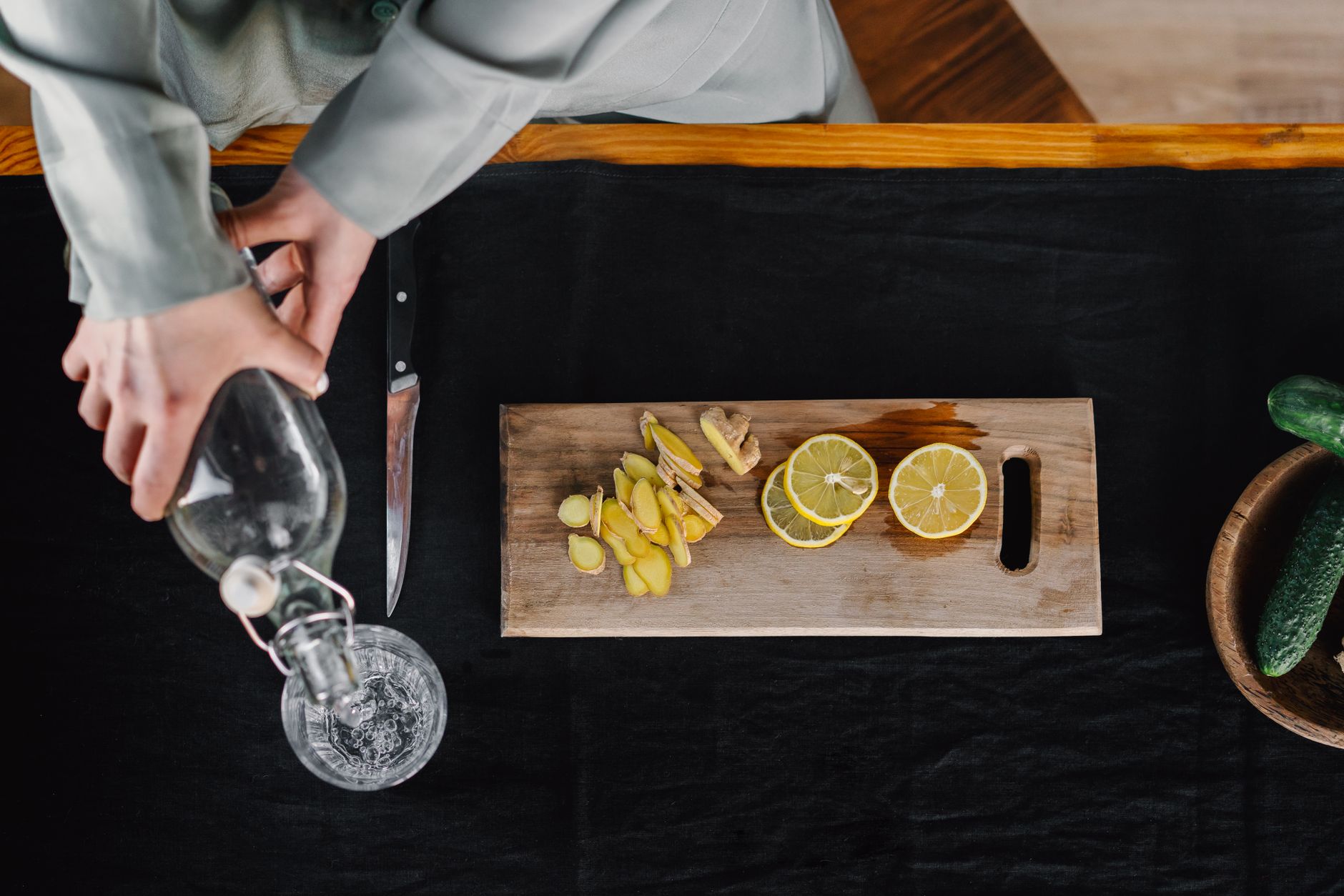
Ginger and Lemon Drink
This warming drink can be enjoyed as part of a balanced diet. It should not be presented as a treatment for high cholesterol, liver disease or inflammation.
Ingredients
- fresh ginger, thinly sliced
- 2 lemons, sliced
- 1 lime, sliced
- water
- 1 teaspoon of olive oil, optional
- 1–2 cloves of garlic, optional
Preparation
Place the ginger, lemon and lime in a saucepan and add enough water to cover the ingredients.
Simmer gently for approximately 15–20 minutes. Allow the mixture to cool, then strain it and store it in a clean glass bottle in the refrigerator.
Drink a small serving according to personal tolerance.
People who take blood-thinning medication, have digestive conditions or are preparing for surgery should consult a healthcare professional before consuming large quantities of ginger or garlic. Evidence suggests that garlic may produce only a modest reduction in cholesterol and should not replace prescribed treatment.
Work With Your Body, Not Against It
The body constantly works to maintain balance and repair damaged tissues. Supporting it means looking at the complete picture — nutrition, movement, sleep, stress, medical history, laboratory results and appropriate professional care.
Small, sustainable changes are usually more valuable than extreme restrictions or promises of a quick cure.
Medical Disclaimer: This content is for general wellness information only and is not a substitute for professional medical advice, diagnosis, or treatment. Always consult your physician or qualified health provider with any questions about your cholesterol, inflammation, medications, or before making significant changes to your diet, supplements, or lifestyle.